OBJECTS OBJECTS OBJECTS
Food is only one part of the story. How it is served matters too. Every food experience is shaped by the objects, spaces, people and interactions that bring it into the world.
Before the first bite, guests are already interacting with a series of decisions. They reach for an object, follow a gesture, move through a space or respond to a particular invitation. Whether designed or not, there is always an object or a person mediating the relationship between food and guest.
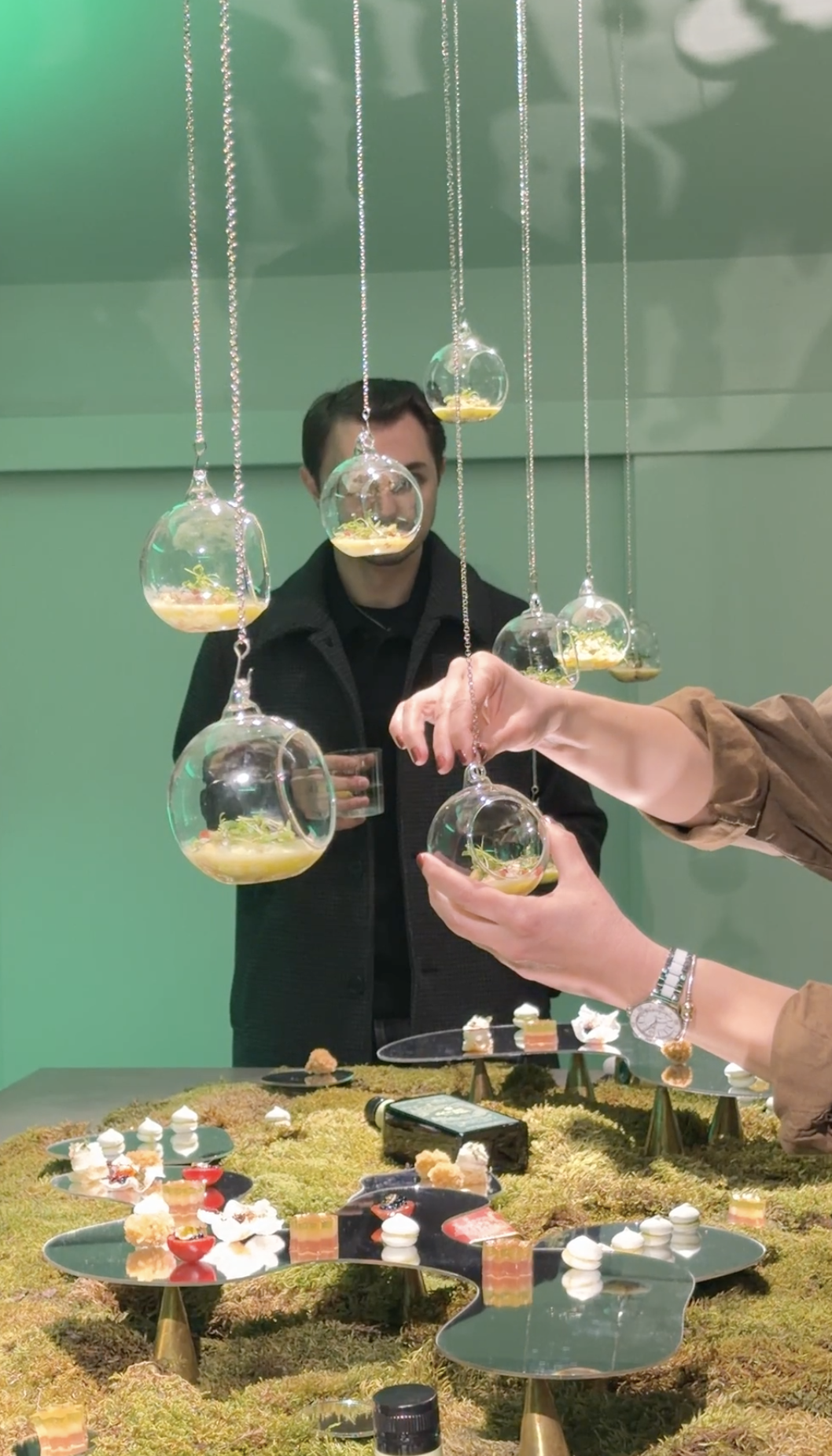
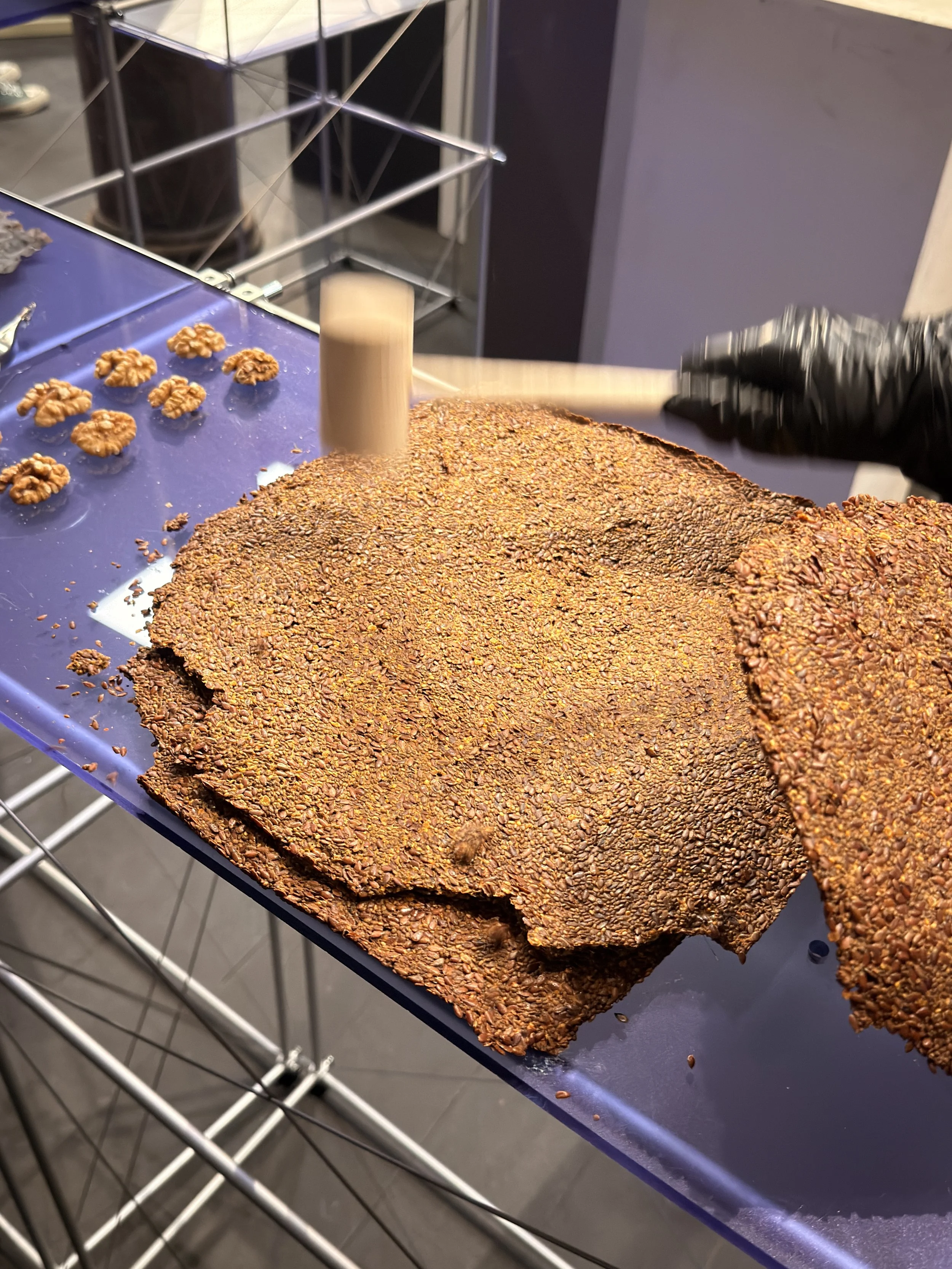
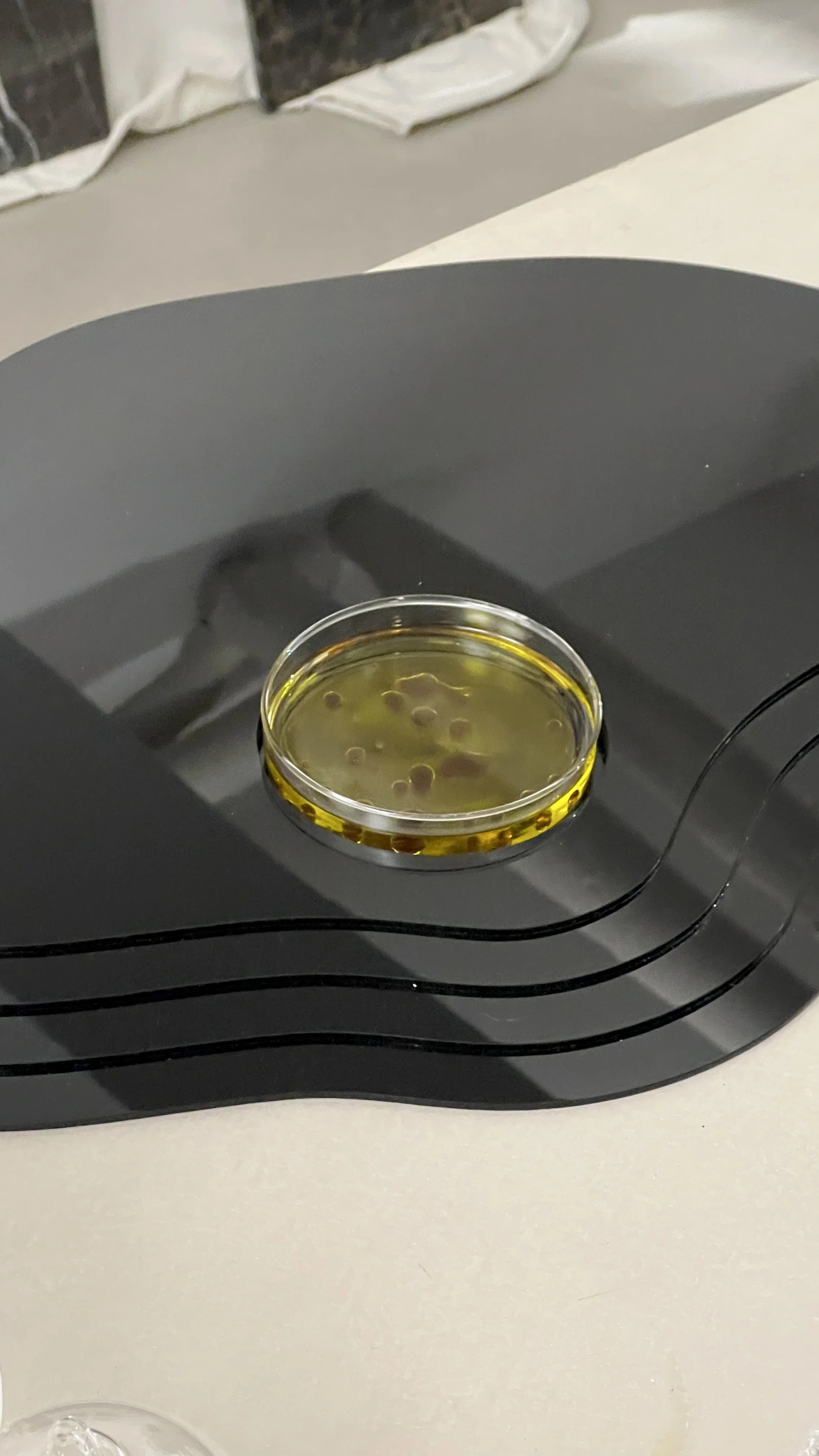
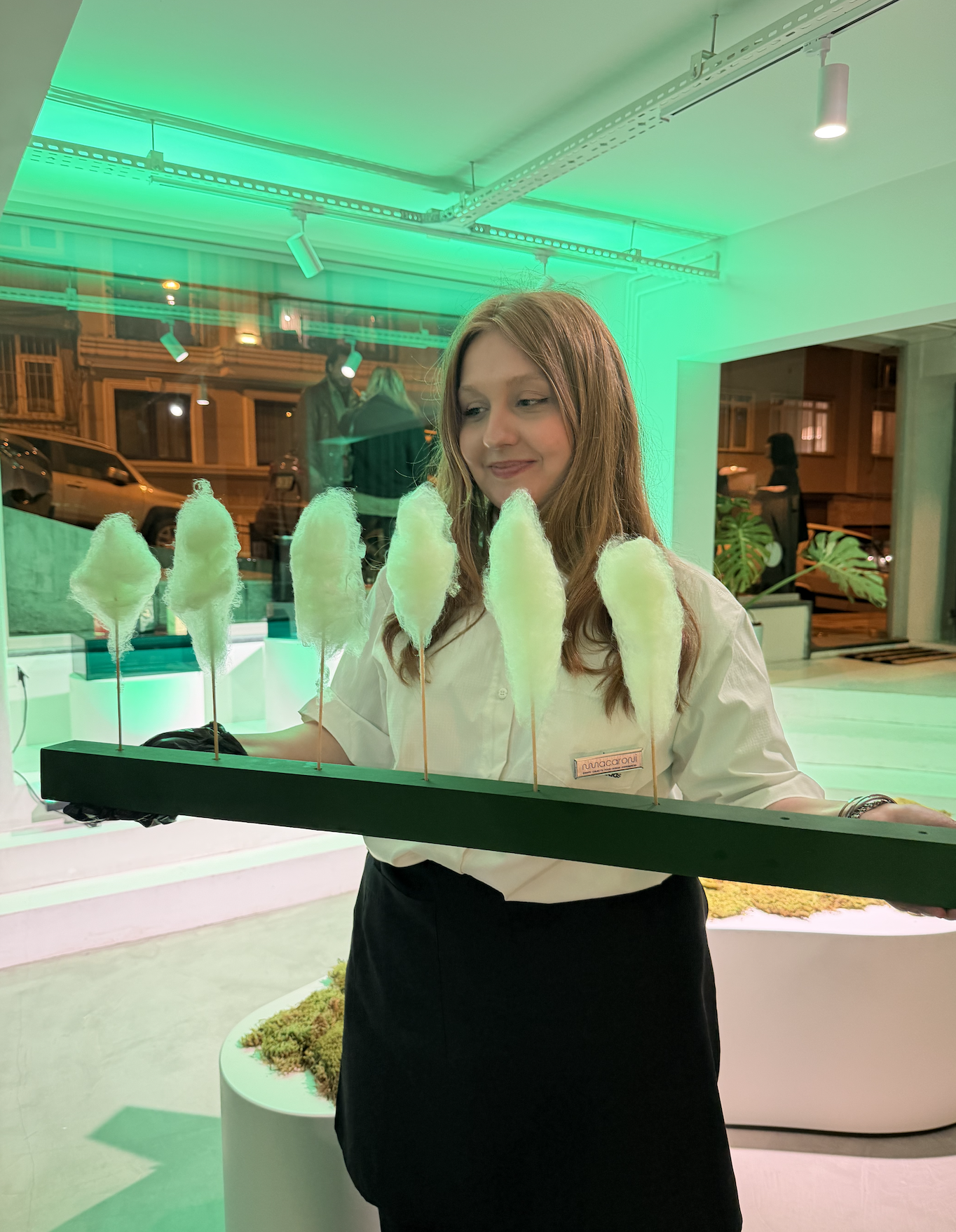
When a serving object is intentionally designed, it strengthens the experience being built around the food. It can guide movement, encourage interaction and create anticipation. The objects surrounding food are as important as the food itself in communicating an idea. Just as lighting, sound, color and spatial design contribute to an atmosphere, serving objects help define how that atmosphere is encountered.
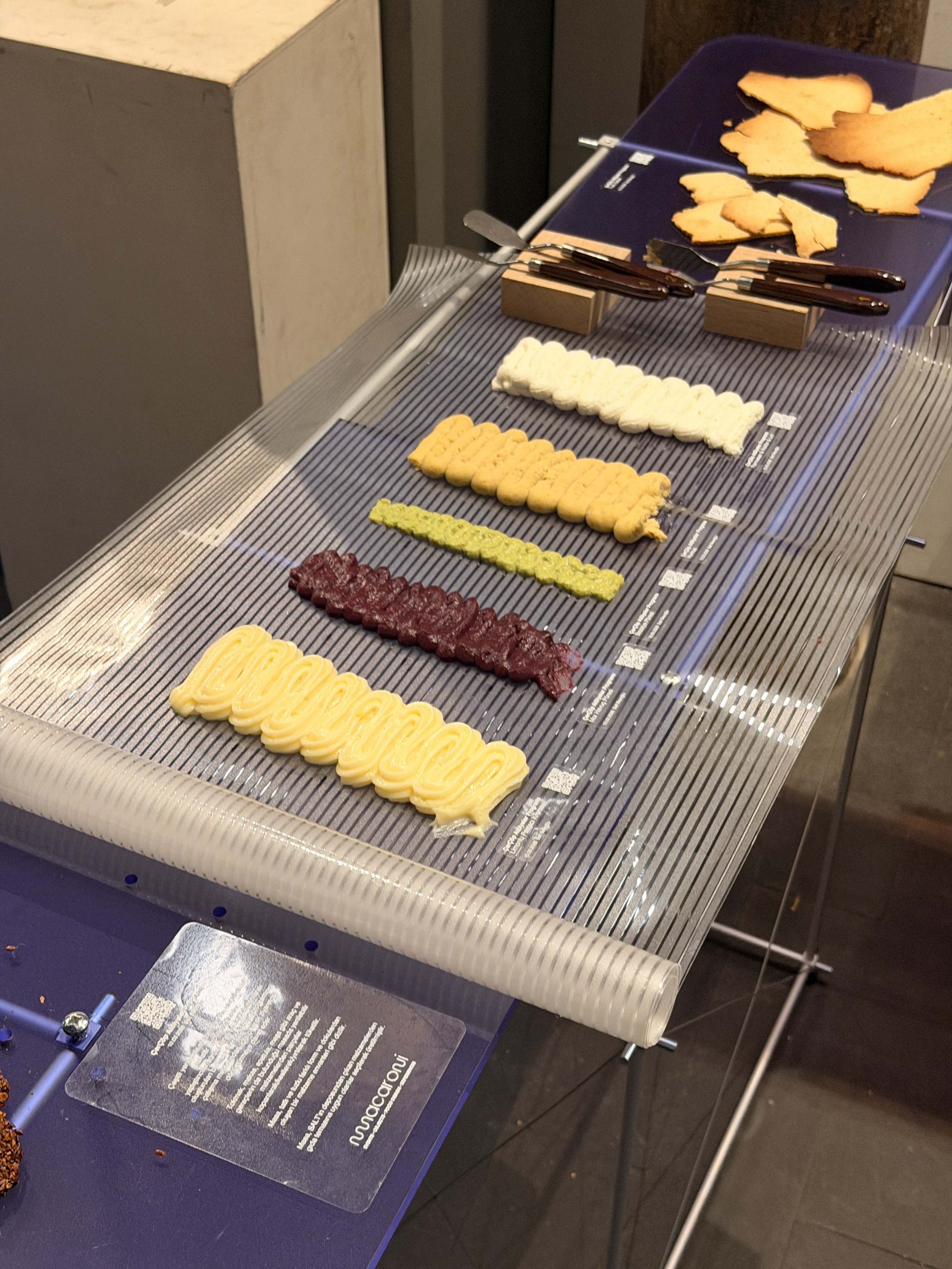
Food & Table Design for Salt Beyoğlu, 2026
At Macaroni, serving elements are never considered separately from the food itself. We begin by defining a context: a world with its own logic, behaviours and visual language. If food is used to translate a brand narrative, we also ask how that food would exist within that world. Would it be suspended from above, stitched onto an apron or presented on an unexpected surface? Materials, forms and modes of interaction are developed alongside the menu, each helping to communicate the same idea. Context becomes the framework that shapes everything from the food itself to the objects, actions and environments that surround it.
Serving objects are not separate from the food. They are part of the language through which food communicates.