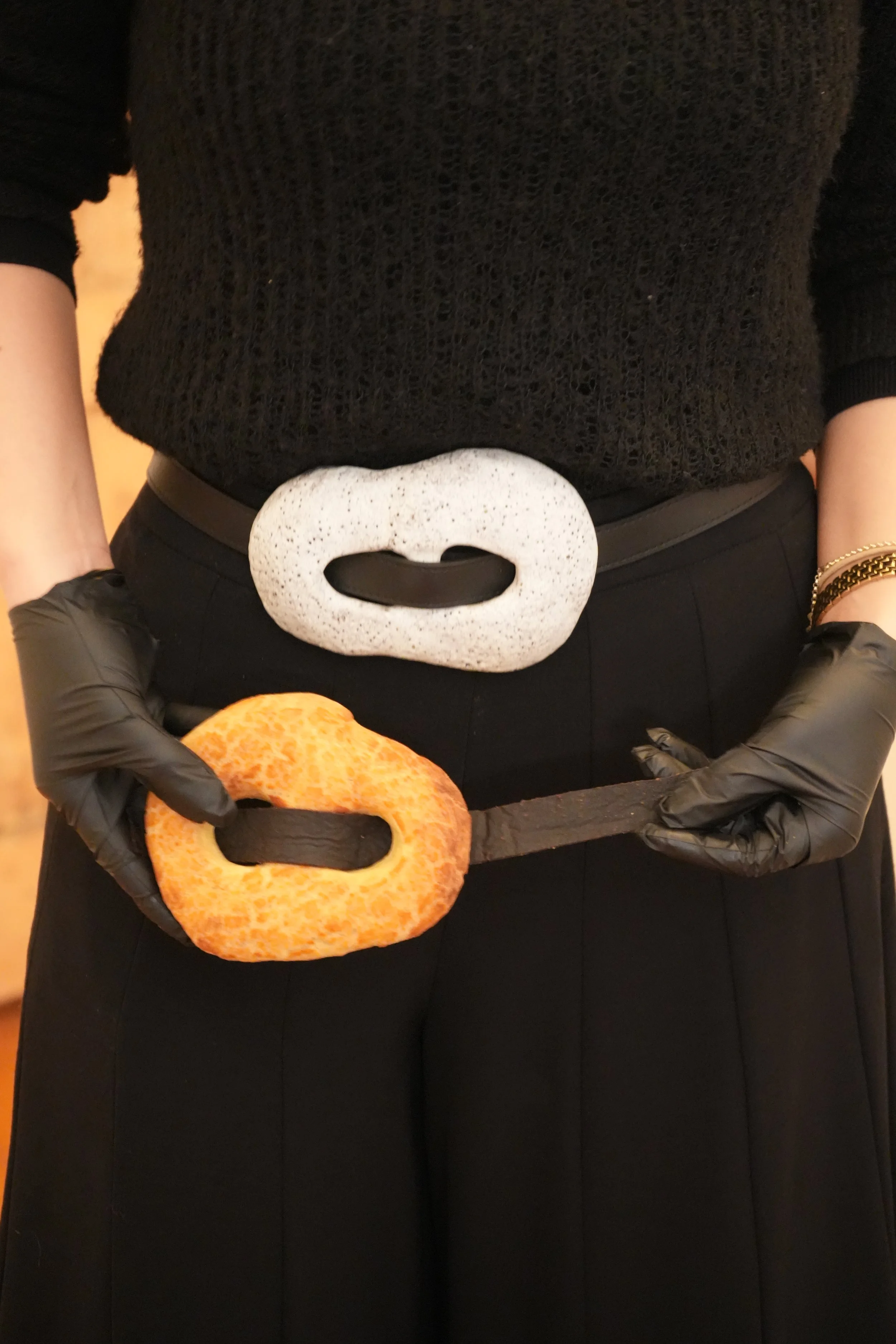
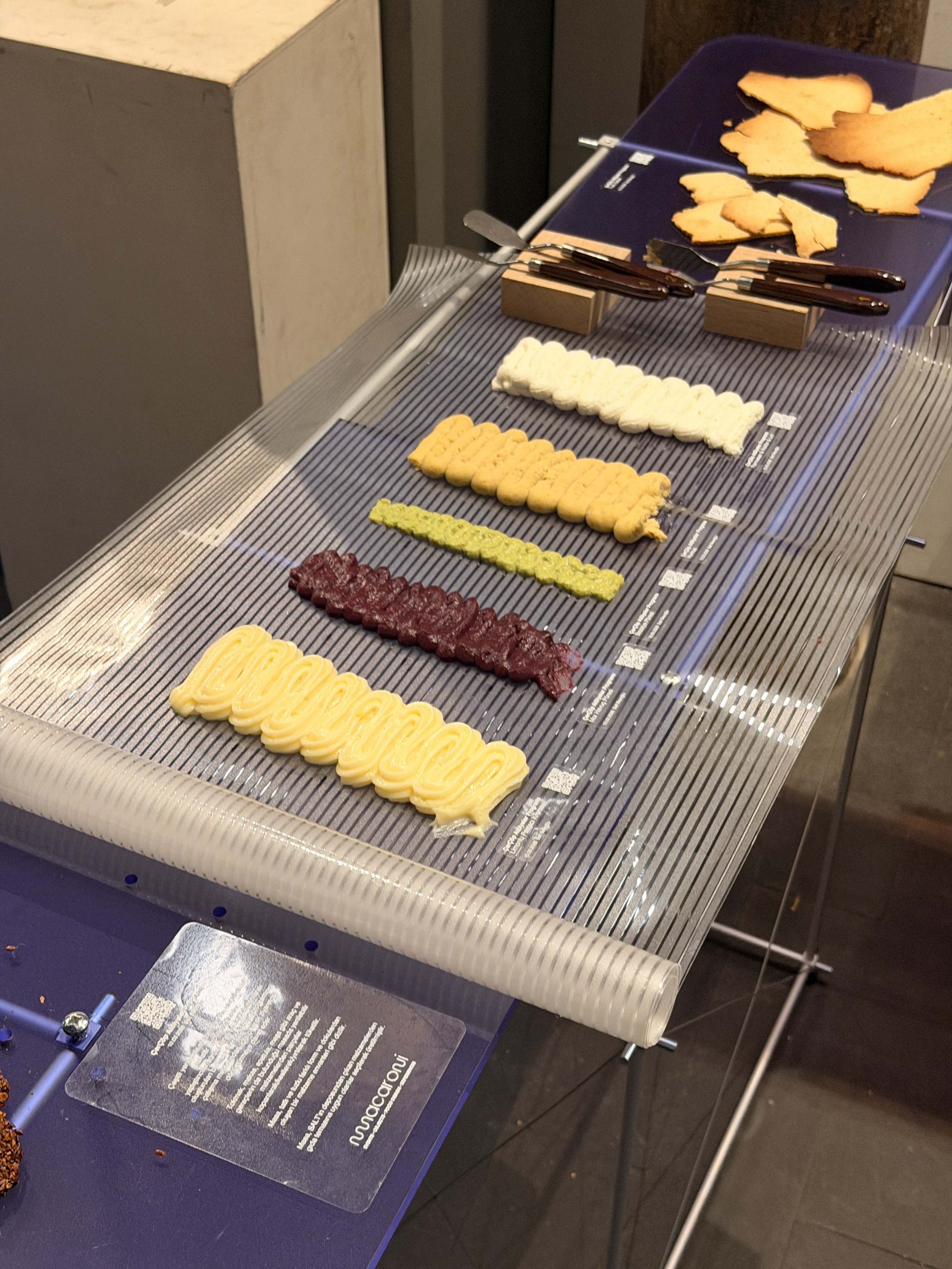
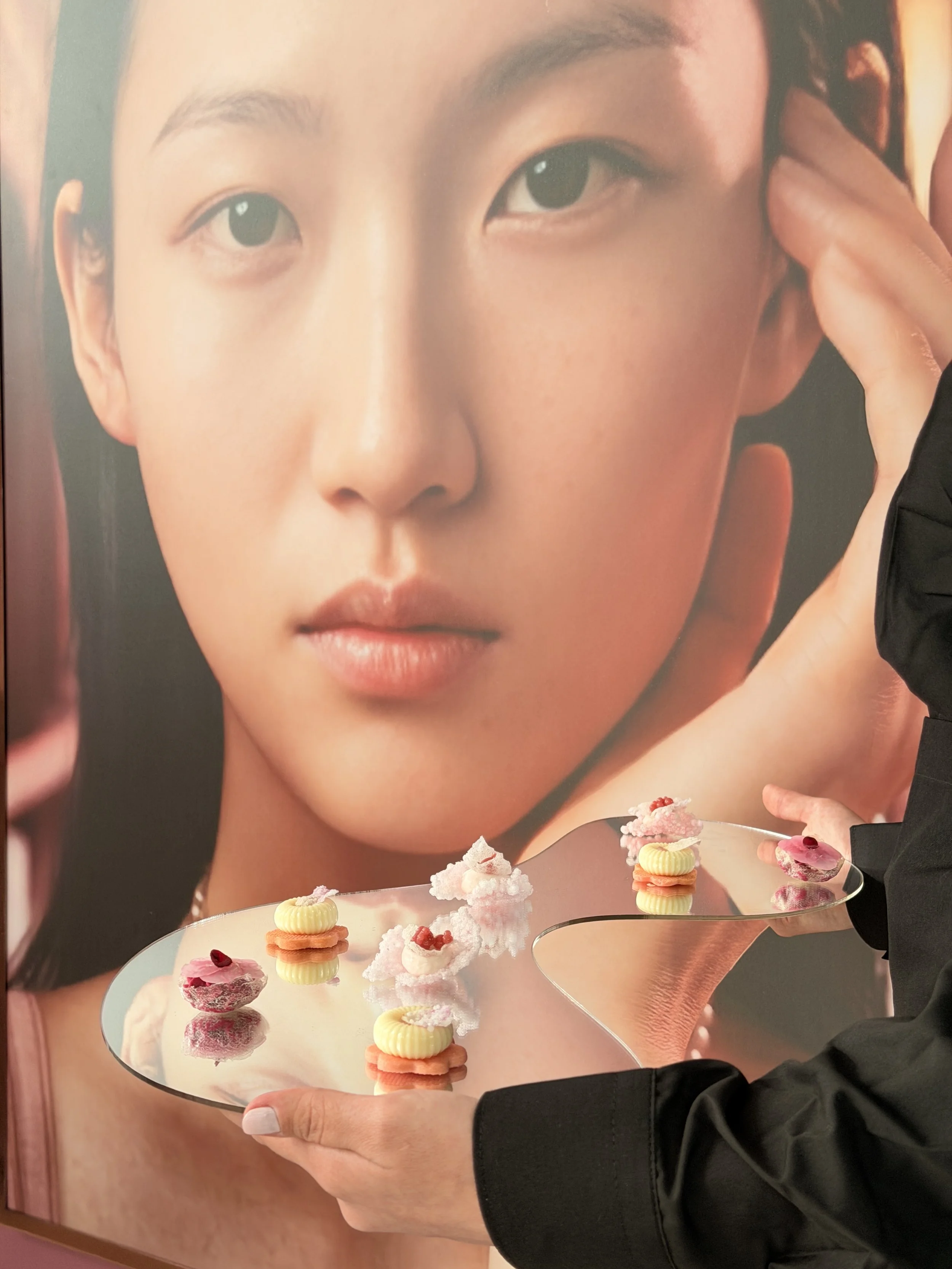
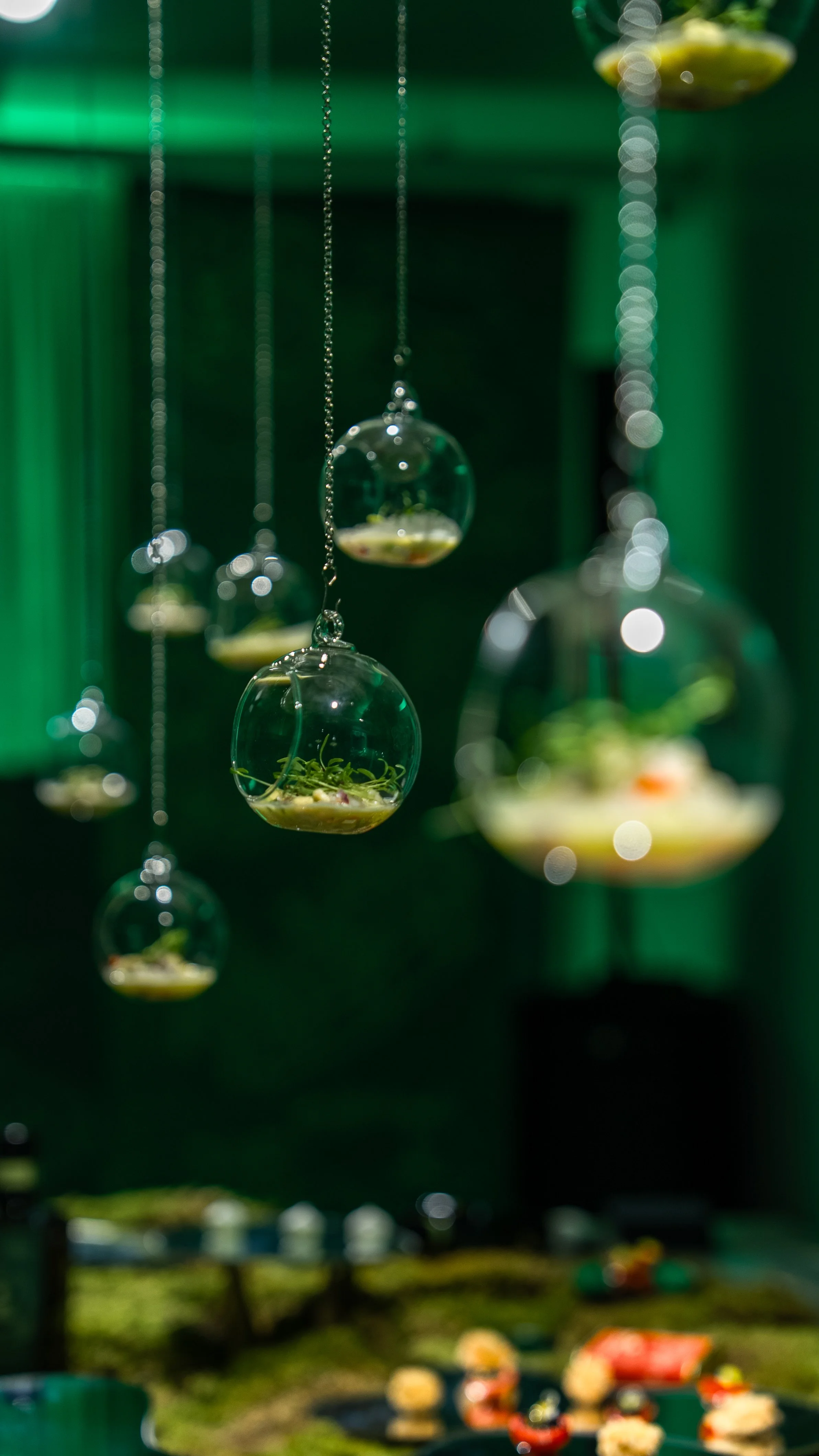
How does food design translate a brand’s narrative into edible experiences?
Catering usually starts with the question: what will guests eat? Food design starts earlier: what should guests feel, notice, touch, remember and share?
Brand experiences are increasingly moving beyond visual communication alone. In physical spaces, audiences no longer want to simply observe a brand identity. They want to engage with it through atmosphere, interaction and emotion. Food has a unique ability to create this connection silently because it operates through multiple senses simultaneously. A brand story can be translated through color, texture, rhythm, material and gesture.
Unlike static visual elements, edible experiences require participation. Instead of remaining passive visitors, people begin interacting with the brand in real time. They touch, taste, move, gather, share and remember. When integrated intentionally, food becomes part of the communication strategy itself.
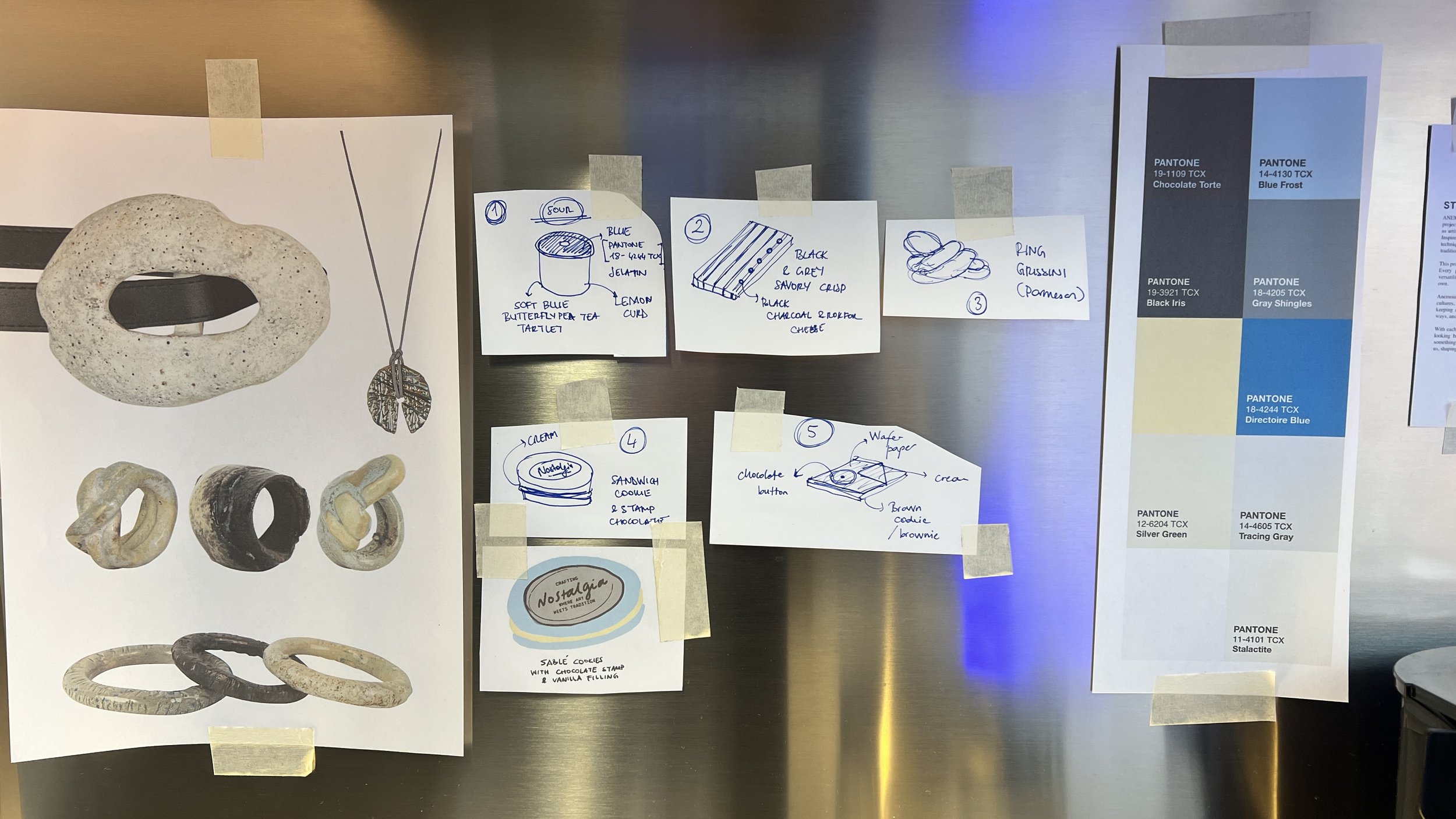
R&D Process for Anemoia brand event, Istanbul, 2026
Every Macaroni project begins with a question: what does this experience need to communicate? From there, we define the guest journey, the format of service, the material language, the menu structure and the visual rhythm of the table or tray. The final bite is only one part of the process. Before it reaches to the guest, it passes through research, sketching, testing, prototyping, production planning and service design.
In a brand event, the menu is not separate from the concept. It becomes part of the visual world. This is where food design creates a different value: it turns hospitality into a designed experience.